
Drug Delivery Device Testing Automation
Share this article
Astech is the world leader in automated regulatory testing systems for drug delivery solutions. For 25+ years we have provided regulatory drug delivery device testing of inhalation and injectable devices to ensure that products deliver the correct dosage safely and reliably.
We have a comprehensive portfolio of solutions (X-Products®) for the major pharmacopoeia tests encountered in respiratory and parenteral (injectable) dosage forms. We engineer all our systems to the highest quality standards and can be fully validated for EU, US and RoW regulatory requirements.
Our systems are modular, scalable and designed to allow incorporation of different drug delivery devices. The solutions we offer have been designed and built for use in both testing laboratories and production environments.
Inhalation Device Testing
Astech X-Products® are our established, robust automated systems for regulatory testing of DPI, MDI, BAI, Nasal and the latest ‘SMART’ inhaler devices.
Our dry powder inhaler testing equipment evaluates how effectively breath-activated devices deliver the drug to patients’ lungs. Because DPIs are fully reliant on the patient’s inspiratory efforts, our inhalation drug product testing is vital to ensure DPIs are performing safely and uniformly.
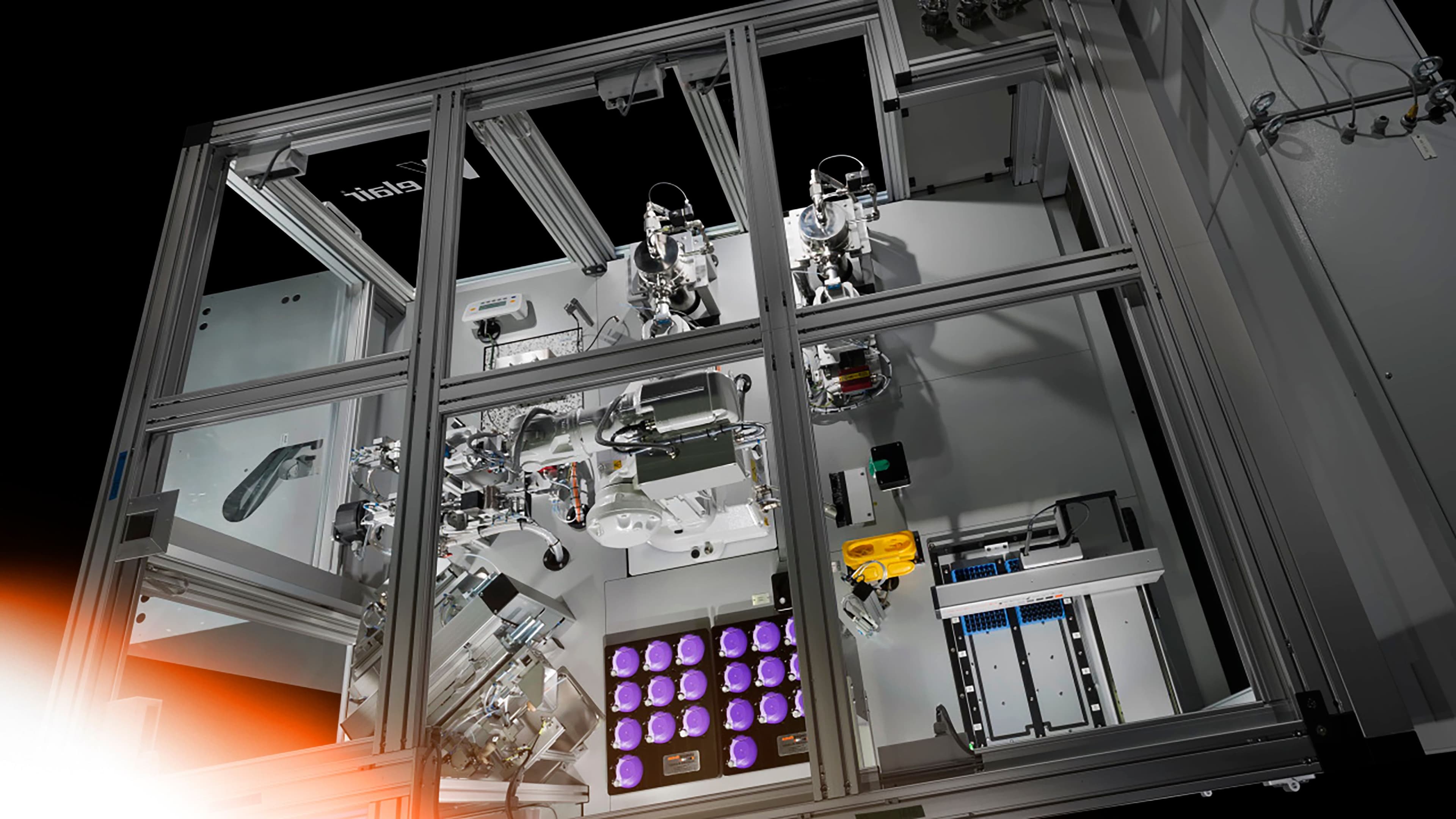
Xelair® – Automated products for testing Dose Content Uniformity.
Xelox® – Automated products for Particle Size Determination by NGI.
Syringe Pro® – Automated workstation for testing content uniformity of injectable dosage form pharmaceutical products.
Particle Size Determination
Andersen Cascade Impaction (ACI) and Next Generation Impaction (NGI) are the two laboratory tools most used to test the particle size of medical inhalers and sprays. Both determine aerodynamic particle size distribution - how airborne particles behave in the respiratory system, where they will land and how quickly they will be absorbed.
ACI, which takes the shape of a small stack of round metal plates, was initially built for general air testing. Since the 1950s, this cascade impactor has been developed to measure the size of medicine droplets and each stage of its stacks simulates the characteristics of the respiratory tract, enabling researchers to track how far drugs will travel into the lungs.
NGI is specifically developed for modern pharmaceutical inhalers. Its flat, single-layer tray design moves air through a single line of stages and works well measuring droplets across a range of different air speeds.
Discover Astech’s NGI sample recovery system here.
Dose Content Uniformity
Dose content uniformity (DCU) testing is a quality control procedure used to ensure that every dosage unit (tablet, capsule etc.) contains the correct, consistent amount of the active pharmaceutical ingredient (API). Dose uniformity is regulated globally by pharmacopeia standards to protect patients from receiving accidental overdoses or underdoses.
Delivered Dose Uniformity (DDC) more specifically refers to the quality control testing required for orally inhaled and nasal drug products. Delivered dose uniformity USP is different from delivered dose uniformity Pharm. Eur.
Injectable and Prefilled Syringe Testing
Astech’s prefilled syringe production uses the Syringe Pro® system, a manufacturing process compliance tested using automation models to ensure safety, performance and reliability.
Prefilled syringe functionality testing evaluates performance in six key ways:
Break-loose force - measuring the initial force needed to move the plunger.
Glide force - the steady force needed to keep pushing the syringe contents.
Breakage resistance - testing the syringe flange and Luer slip strength under pressure.
Pull-off and removal force - measuring the force needed to remove tip caps/needle shields.
Needle penetration and pull-out - checking the sharpness of needles and how securely they’re held in place.
Container closure integrity - tests for leakage to ensure medicine remains sterile.
Our Testing Applications
Astech’s dedicated Drug Delivery automation team have developed solutions to satisfy regulatory testing requirements for the following applications:
Andersen Cascade Impaction - the traditional testing method for particle size determination.
Next Generation Impaction (NGI) - the latest technology associated with particle size determination.
Dose Content Uniformity (DCU) - Xelair® is our ground breaking series of products for testing Dose Content Uniformity.
Waste Firing & Containment - burning waste materials inside controlled high-temperature systems.
Shaking and Dose Collection - ensuring active ingredients in inhaler medication are evenly mixed and not settled.
Emitted Dose Weight Verification - quality control to measure the weight of medication device discharge.
Sample Recovery - our Xelox® Sample Recovery System (SRS) automates NGI sample recovery.
Blister Recovery - recycling active drug residues from used pharmaceutical blister packs.
Air Flow Resistance - measuring how hard a patient inhales to pull DPI medication into their lungs.
Flow Generation & Control - managing how medications move and release into the body.
Dose Counter Verification - indicating how many doses remain in an inhaler.
MDI Force to Fire & Shot Detection - automated sterility testing equipment for Metered Dose Inhalers (MDI).
Bespoke Systems and Turnkey Delivery
In addition to our successful X-Product® range for automated drug delivery testing, we also provide a bespoke design service for unique, client specific, applications. For 25+ years, we have offered this turnkey service, from design concept to project completion.
We design, manufacture, integrate, test, deliver, install and commission complete automation solutions within our quality drive environment. Once operational, our REACTS® planned maintenance and technical support service offers complete peace of mind for the lifetime of the automated system.
REACTS Support
REACTS® Support and Maintenance Expertise from Astech is Rapid, Effective And Complete Technical Support for all your automation equipment. Our REACTS® dedicated technical support team ensure your automated systems perform optimally with minimal downtime to increase your productivity and save you money.
FAQs
What is a next generation impactor?
The latest technology used in particle size determination for medical inhalers and sprays.
What is delivered dose uniformity testing?
Quality control testing required for orally inhaled and nasal drug products - it’s a term used most frequently in USP method language.
What’s the difference between an Andersen cascade impactor and an NGI?
Both are used to test the particle size of medical inhalers and sprays, but an Andersen case impactor is the older technology method.
What is aerodynamic particle size distribution?
This determines how airborne particles behave in the respiratory system, where they will land and how quickly they will be absorbed.
Why is dose content uniformity testing required?
Pharmacopeia standards demand content uniformity testing to ensure that every dosage unit (tablet, capsule etc.) contains the correct, consistent amount of active pharmaceutical ingredient (API).
What testing is required for prefilled syringes?
Break-loose force; glide force; breakage resistance; pull-off and removal force; needle penetration and pull-out; and container closure integrity, are the six key tests required for prefilled syringes.
Get in contact with us for a free consultation, without obligation.
INFO@ASTECHPROJECTS.CO.UK
+44 1928 571 797