How a Robotic Lab Assistant Can Transform Your Lab Workflow
Share this article
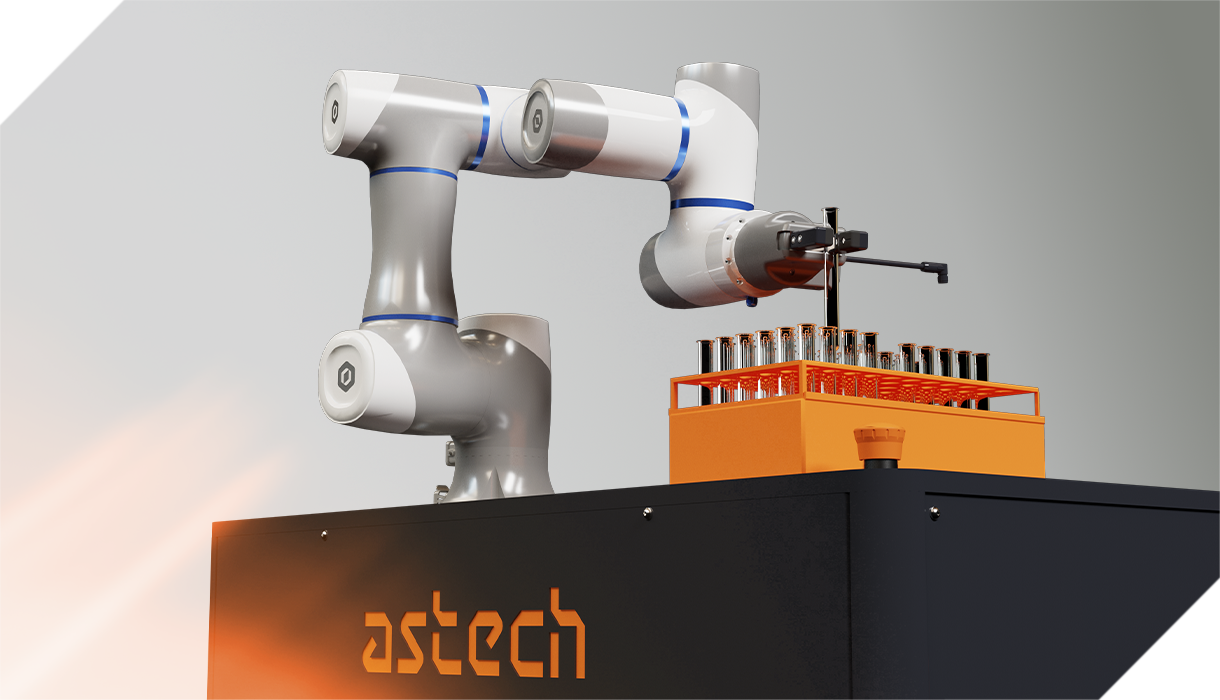
Robotic Lab Assistants are transformative tools in the modern laboratory. Using automated systems like robotic arms and integrated instruments they perform repetitive, precise tasks to boost efficiency, accuracy and consistency in everyday lab operations.
The Rise of Robotics in Laboratory Settings
Laboratories across sectors - pharmaceutical, chemical, R&D, biotech, academic, analytical - are adopting robotic assistants to assist their workflows, driven by the pressures for higher throughput, error reduction and sample consistency. Laboratory robots perform tasks like liquid handling and sample processing continuously - far faster than their human counterparts. They reduce human error and the possibility of contamination, while also freeing up scientists for higher-value tasks like complex analysis or experimental design.
What is a Robotic Lab Assistant?
Let’s break down exactly what a Robotic Lab Assistant is. It’s an automated system, often a mobile robot with an arm, that can take on any number of repetitive laboratory tasks. These include sample handling and transportation, workflow automation and instrument integration. Laboratory automation robotics differ from traditional automation tools in their ability to perform physical tasks, thanks to advanced technologies like AI. Traditional automation tools, on the other hand, are typically software-based programs that follow rigid, pre-defined rules.
Key benefits of Laboratory Automation Robotics
There are many benefits in using laboratory robots to perform repetitive lab tasks: speed of operations, robots work faster and longer than human scientists and can work around the clock; improved accuracy since they reduce the capacity for human error; and enhanced safety, as they lessen human exposure to hazardous materials. Robotic lab assistants improve reproducibility and free up scientists to work on higher-value analytical or innovation tasks.
How a Robotic Lab Assistant Transforms Your Workflow
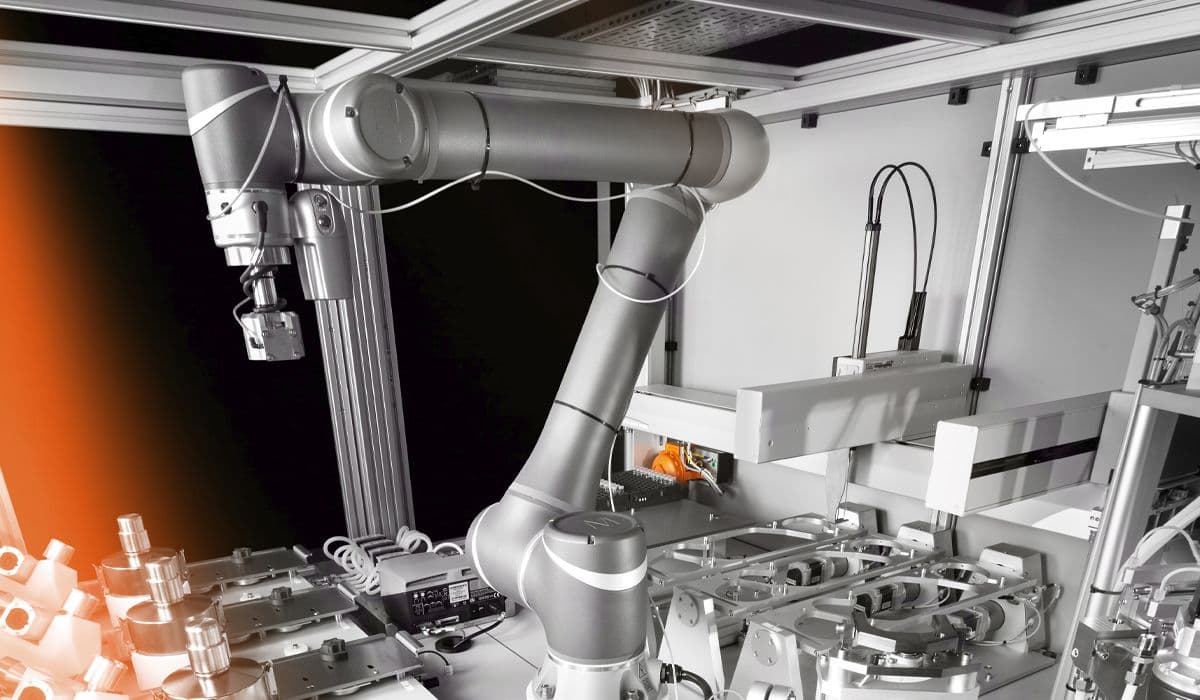
Quite simply, laboratory robots transform workflows by streamlining tasks. Integrating RLAs with a lab’s existing systems (its hardware, software and processes) enables jobs to become automated, which in turn reduces bottlenecks, and boosts efficiency, precision and scalability to increase throughputs across departments.
Designing Your Laboratory Workflow Around Robotics
When adopting intelligent robots into your laboratory, it’s important to think carefully about your workflow layout. Within it, identify automation opportunities - look for repetition, and/or tasks where precision is paramount. Consider the placement of your RLAs, their movement pathways and connectivity to instruments so that your robots can help to establish a more efficient and logically structured lab environment, and select the right technology to ensure seamless integration with your human operations and data systems.
Astech’s Robotic Solutions for Intelligent Laboratory Automation
As a provider of advanced robotic lab systems, Astech offers smarter automation solutions and seamless integration with your existing production software and infrastructure. We provide options for different workflows, scales and industries. Our expertise, customisation capabilities and proven track record in delivering high-quality robot laboratory solutions designed to integrate perfectly into modern labs make us the perfect partner to help you transform your lab workflow.
Robotics elevates laboratory performance and future-proofs workflows. Contact Astech to arrange a consultation, demo or tailored automation plan and we’ll discuss how we can help your lab thrive in productivity and output.